Listening Before Drawing – How Community Engagement is a Vital Tool for Public Space Design
We have recently had the privilege to work with the San Juan Island Library on their campaign to build a new library for the people of San Juan island. Working on libraries is always a pleasure, but in this case it has also been a clear example of the power of engaging with your community and how that engagement can create a stronger design and community ownership.
Before starting the community engagement process, we did a thorough assessment of the existing library. We documented the current collection and spoke with the library staff and board to understand how they use the space they have and what the most pressing needs are. Our report studied a range of project sizes for a new library that would meet existing needs and accommodate new programming.
With this information in hand, we worked closely with the San Juan Island library team to engage their community and start to envision their new library together. As a first step, we encouraged the library board to assemble a steering committee- members of the community that would act as ambassadors for the library project. This group became instrumental in the success of the engagement process by planning, providing feedback on the presentations and reaching out to the community to spread the word.
With the steering committee in place, we held a series of public meetings where we listened to the community about their dreams for the future library and started to form a design based on them. Each meeting built on the previous one, culminating with design ideas that could be tied to community input. This enables the community to see their input in the design and know that they have been heard.
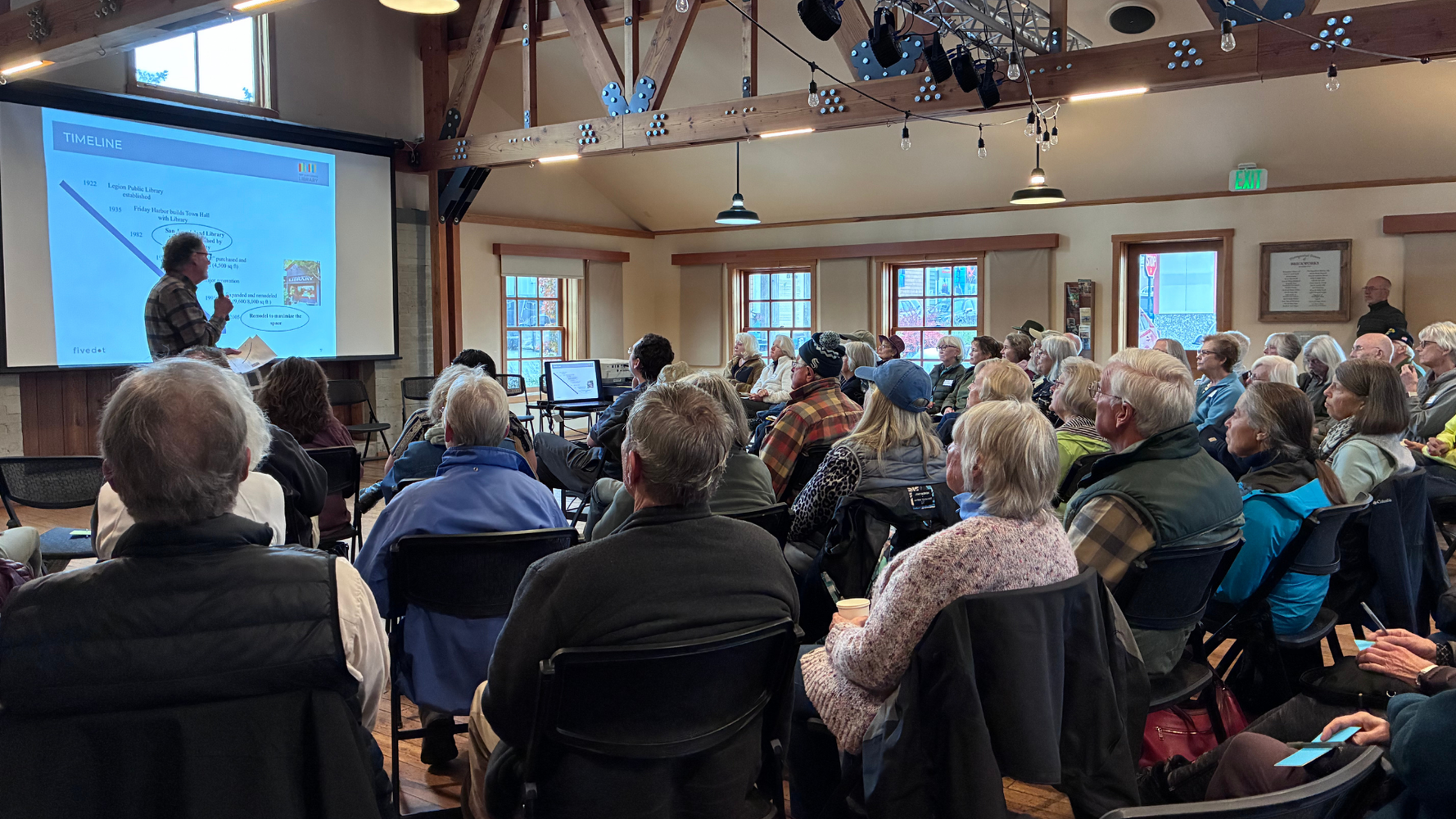
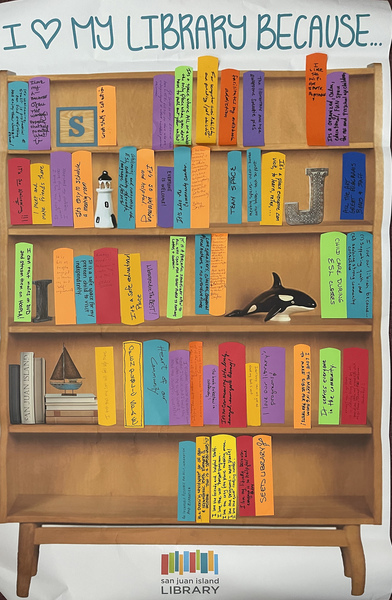
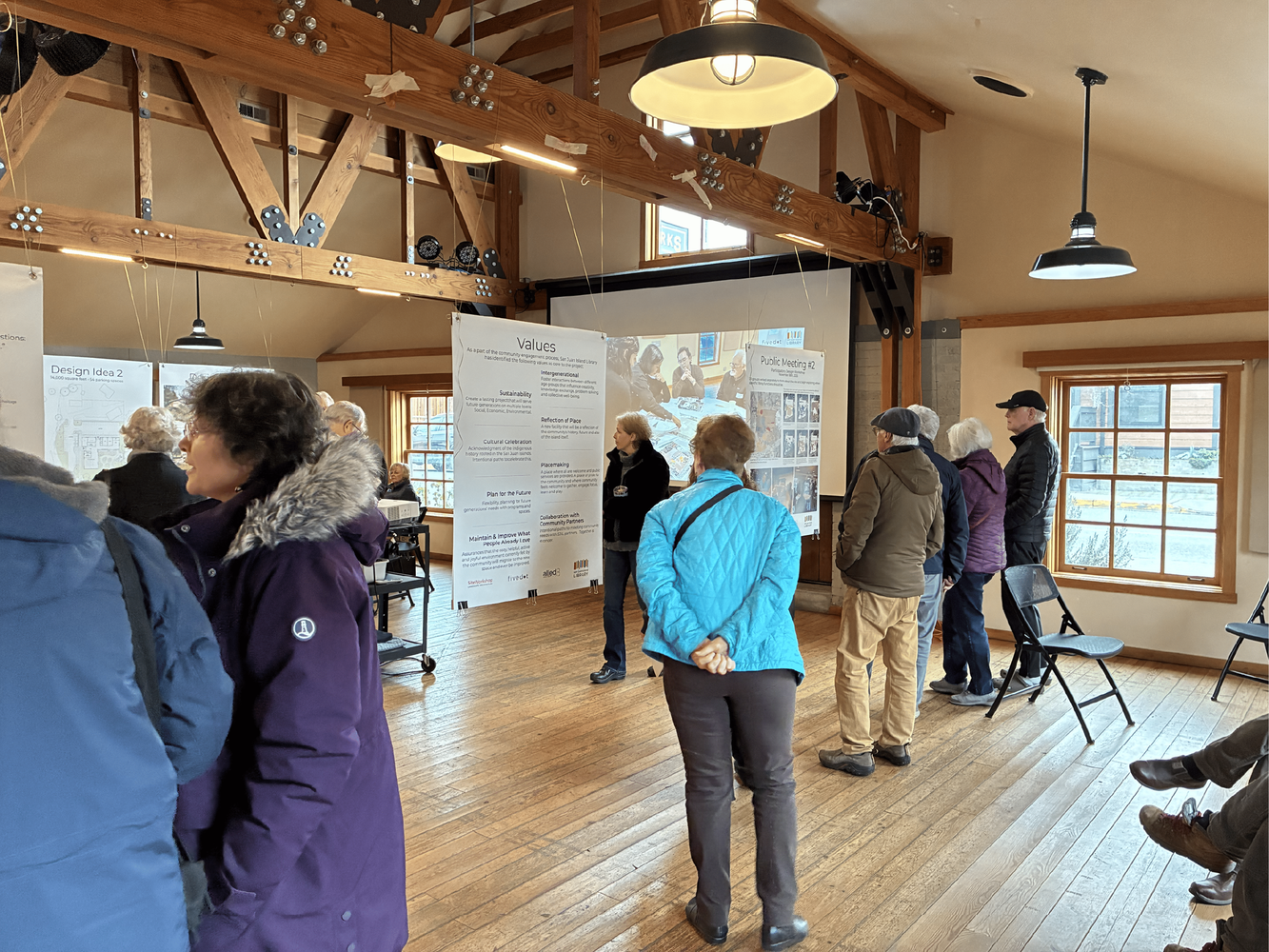
The goal of the First Community Meeting was to gather ideas. The library team presented the project history and explained why a new library building was needed. We asked the attendees to answer the following questions:, “I love our library because…” and “I wish our library could…,” with the goal of gaining understanding about what people thought was most important to include and what should be preserved or improved from the previous library. The act of going around the room and having everyone answer aloud created positive energy and helped the whole group realize that there were many shared goals and wishes. From the many answers we got, we were able to create a list of community priorities and develop a set of core values for the project. These values are principles that will be respected throughout the design process and will be reflected in the final outcome. We had more than 150 attendees at the first meeting- a testament to the efforts of the steering committee.
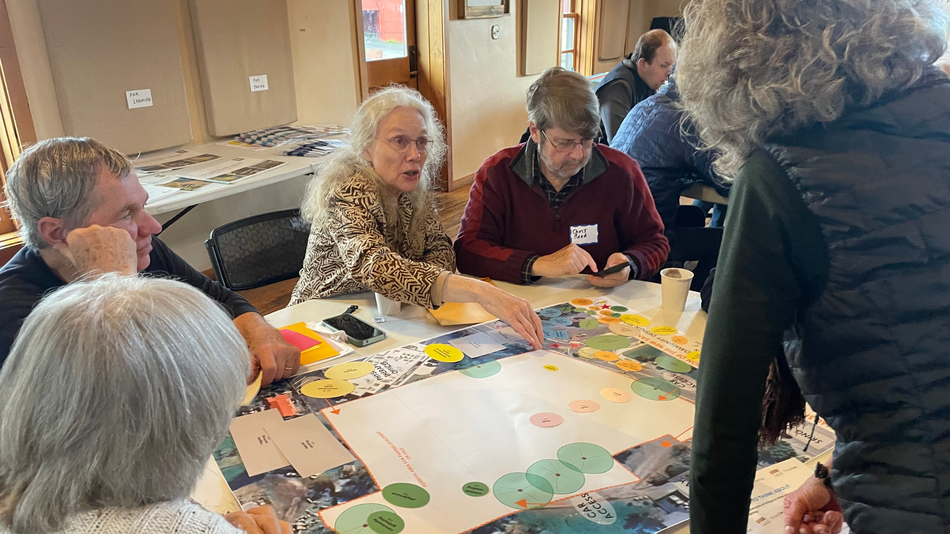
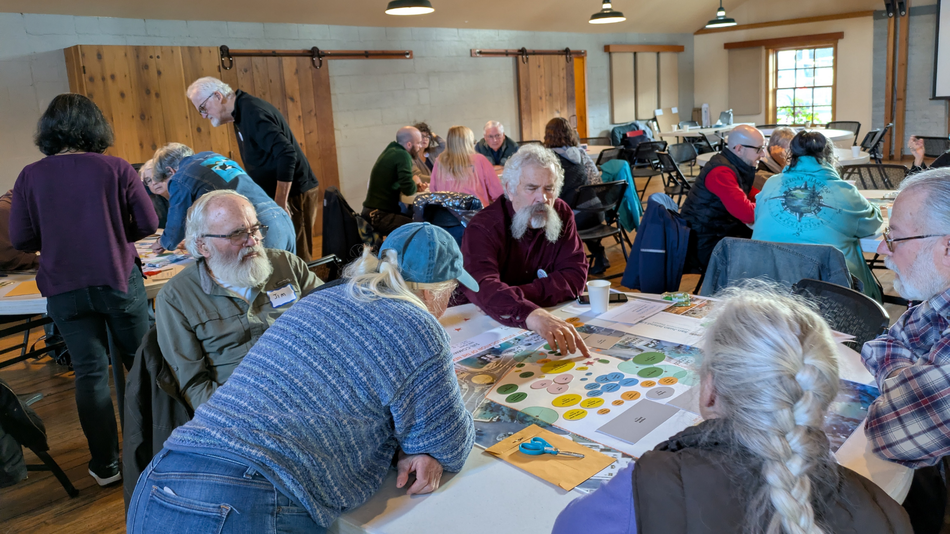
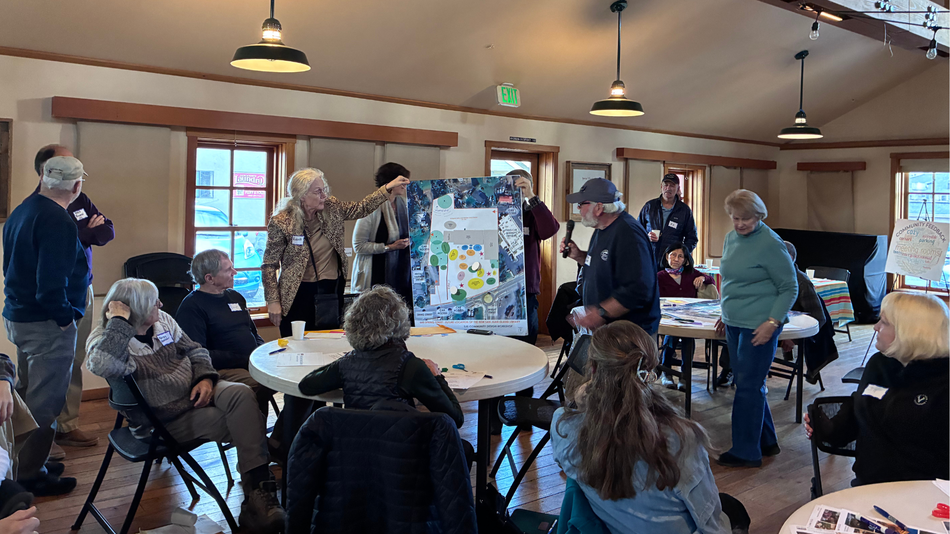
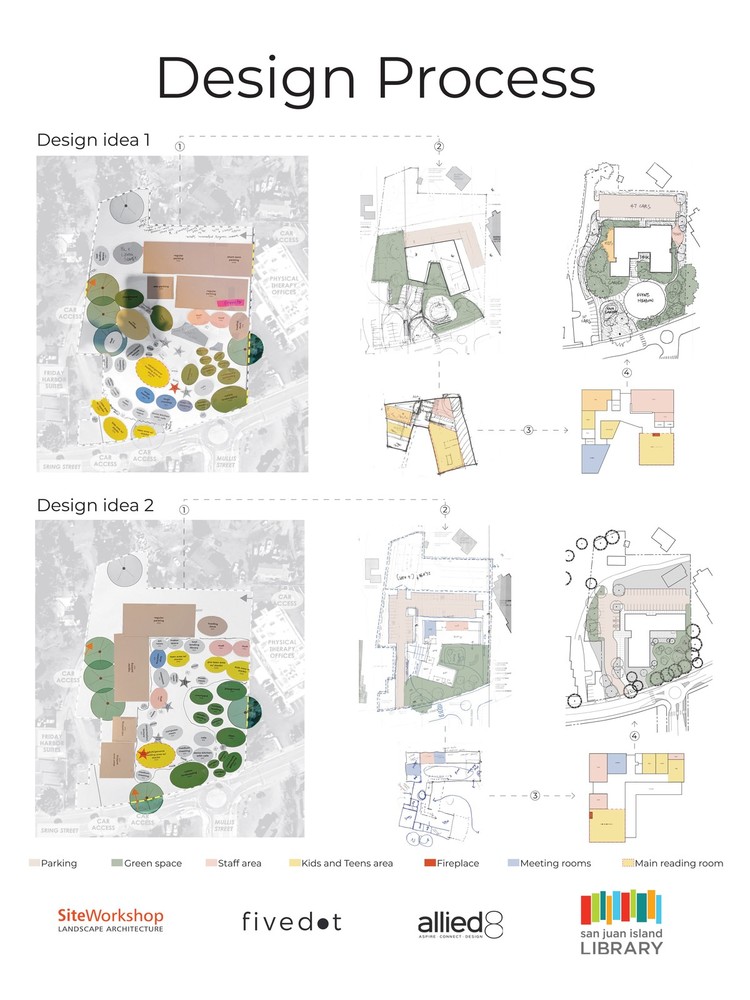
For the second meeting we started incorporating design thinking into the engagement process. We facilitated an interactive activity where the community got involved in the design process by evaluating the site and thinking about program and adjacencies. Small groups were given a simple site plan that included information about the property, including predominant vegetation, roads, and property lines. They were also given different sized ovals that represented program elements and were asked to start placing them on the site in whatever way made sense to them. We shared with them some information about how an architect would typically look at a site and start defining possible locations for spaces, considering elements such as views, circulation, and transitions between areas.
18 groups of 5 to 7 people completed this activity, and at the end, got a chance to present their ideas to the group. After all the groups had presented, each group got a chance to share what common themes they noticed and speak about what ideas they liked best from another group. This activity gave people a feeling for all the challenges and decisions that are part of the design process and also highlighted how many overlapping ideas existed.
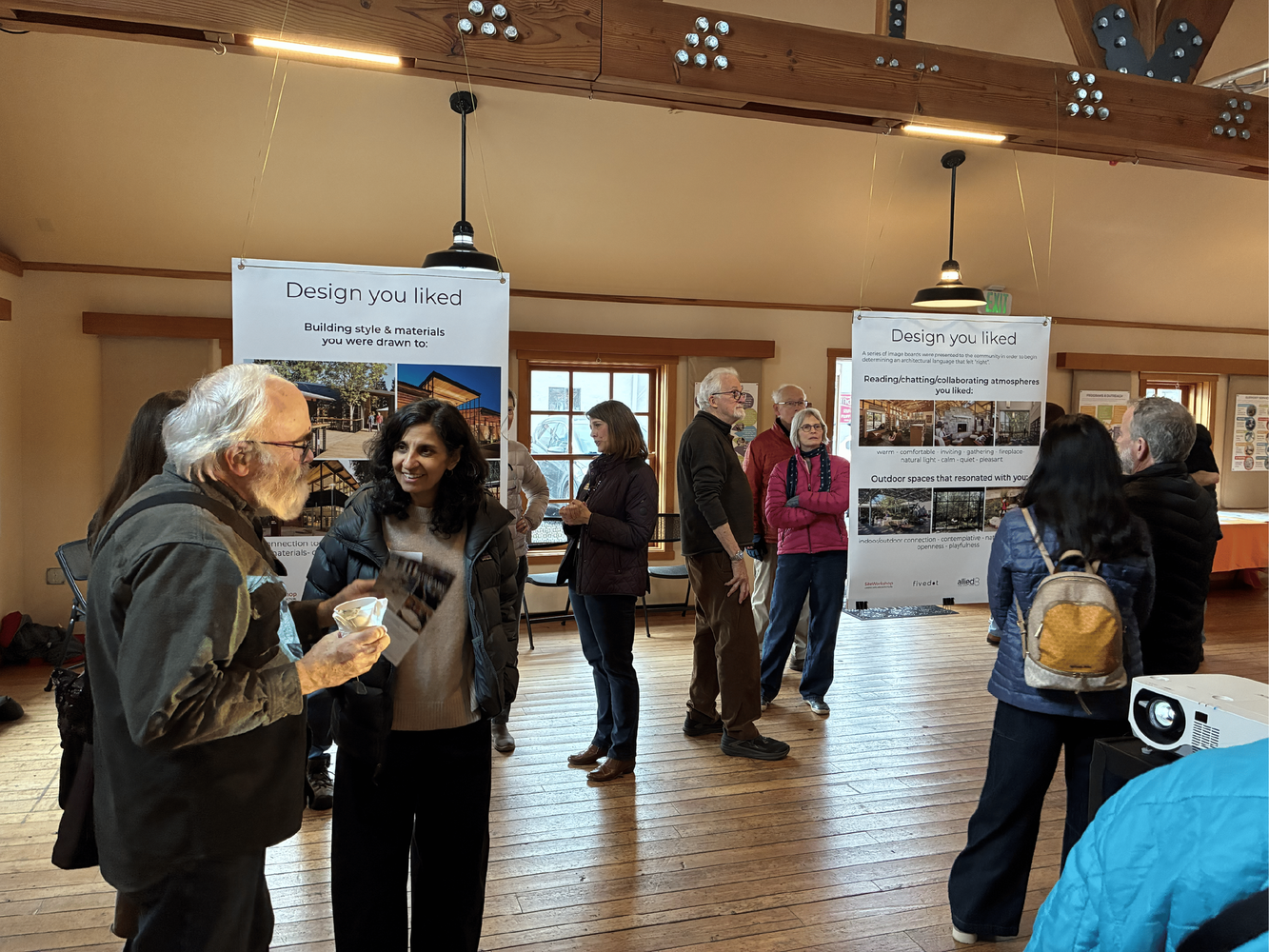
During this meeting, we also invited the meeting attendees to vote for images of architectural language that felt “right” to them We presented a curated collection of diverse images showcasing interior and outdoor spaces, overall building styles, and material. The results of the vote gave us a deeper understanding of the community’s desired aesthetic for the building.
After this meeting, we took our time to thoroughly analyze the product of each team’s collaboration. We started to see patterns emerge about the placement of program on the site, and their connection/interaction with other areas. We were starting to see design ideas form!
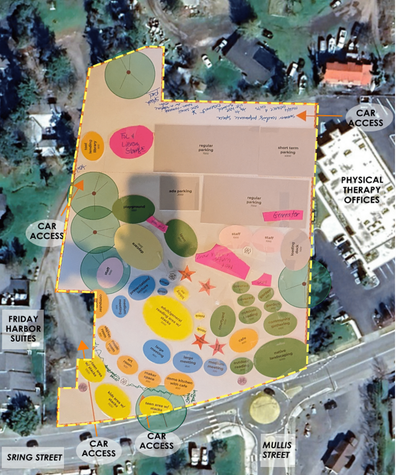
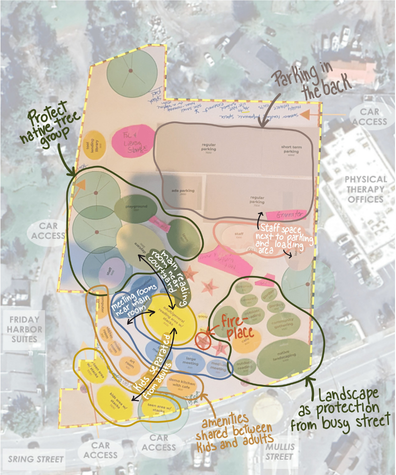
Unlike the previous meetings, the third meeting was not fully open to public. This was an all-day design workshop- or charette, that included the design team, the library staff and the board as well as several members of the steering committee. We used this intense work period to develop two design ideas that showed different approaches to the site and building design. We reviewed the values and priorities developed in the first two meetings and used the design patterns that emerged from the second meeting as our starting point. At the end of the day, we had two clear ideas to develop.
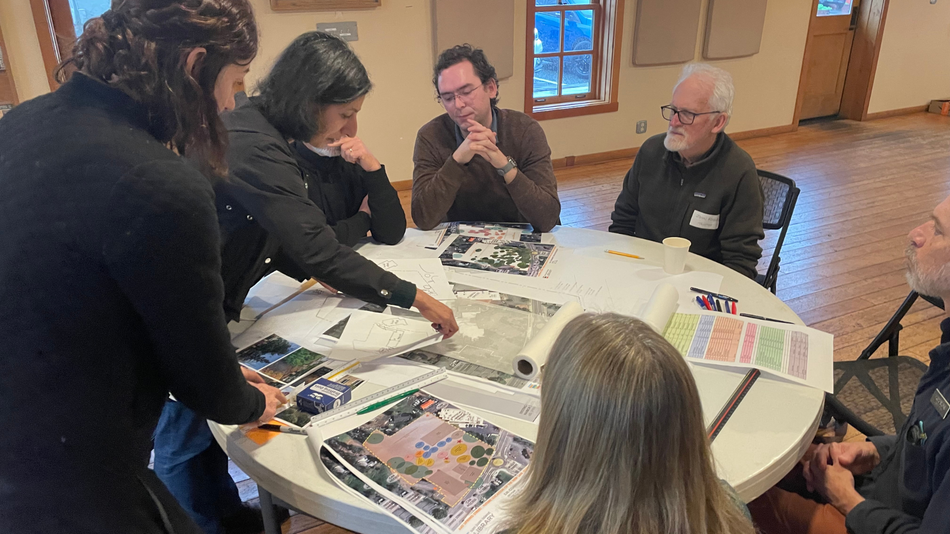
Following the 3rd meeting, the design team worked together to further develop the 2 design ideas that were a result of the design charrette. Our intent was to create two options that were different enough that people could pick ideas they liked from each design. We included basic site plans, floor plans and exterior renderings for each option.
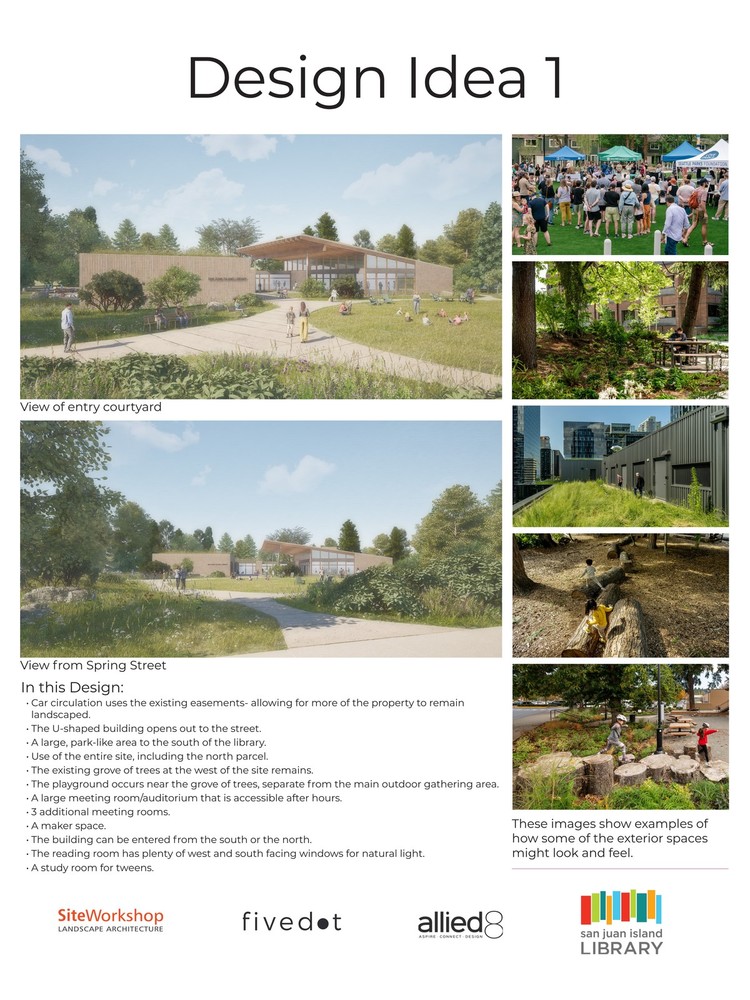
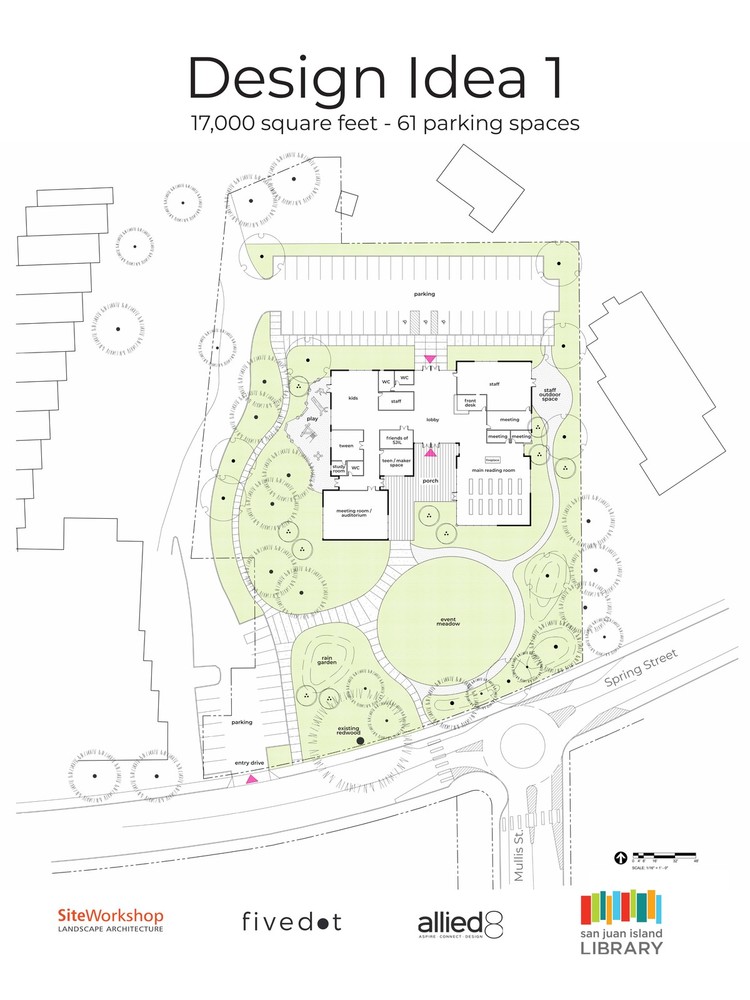
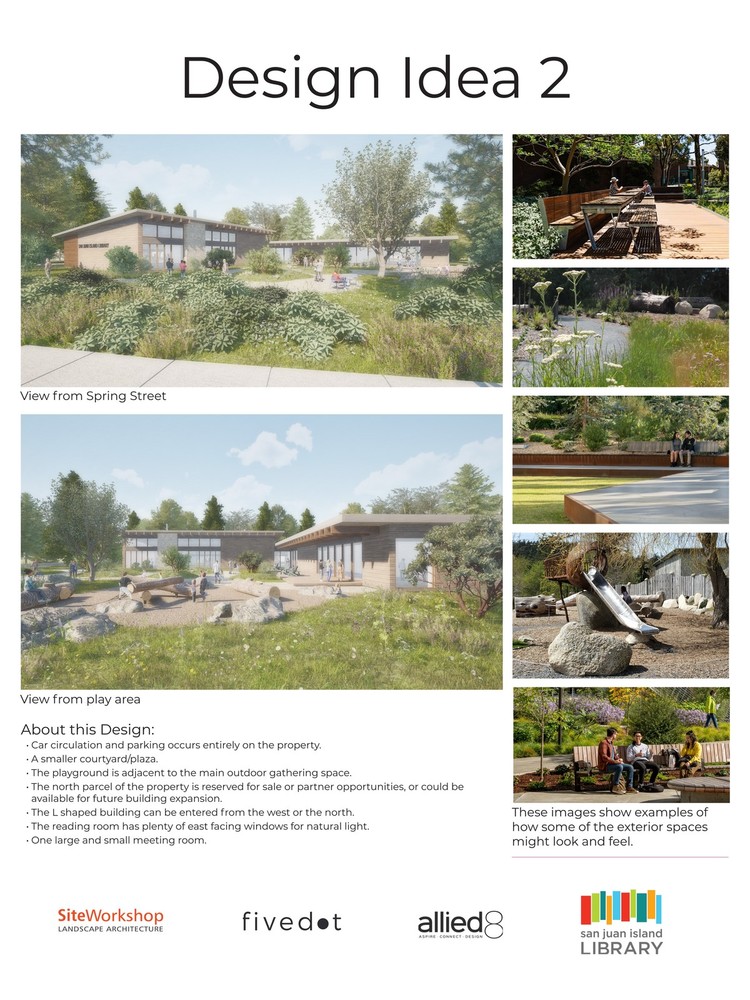
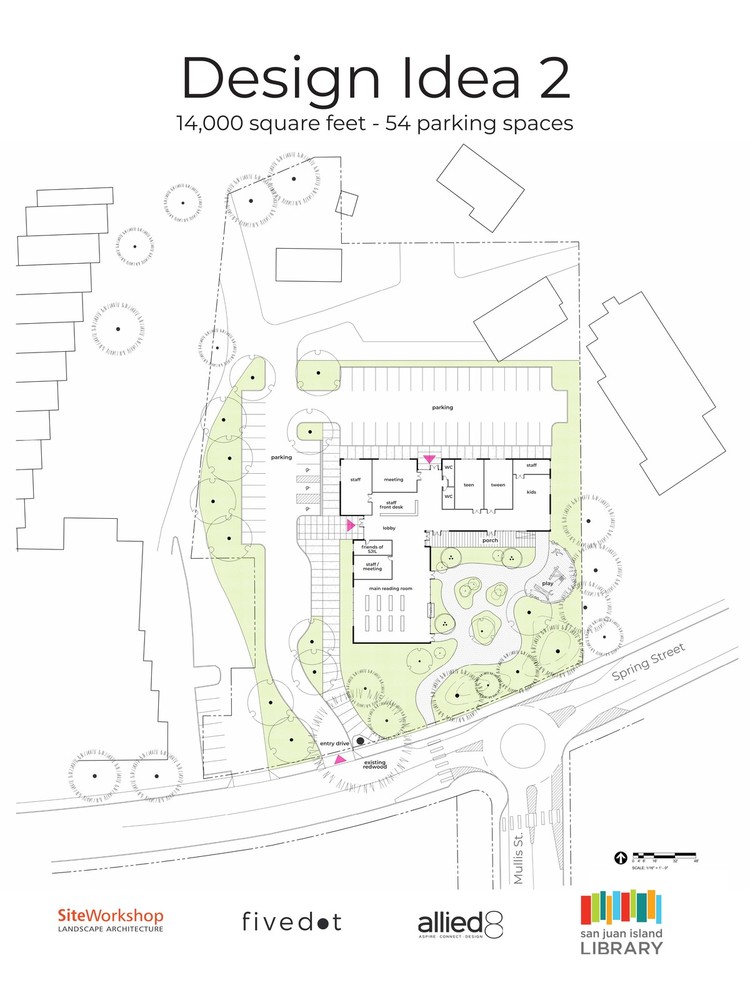
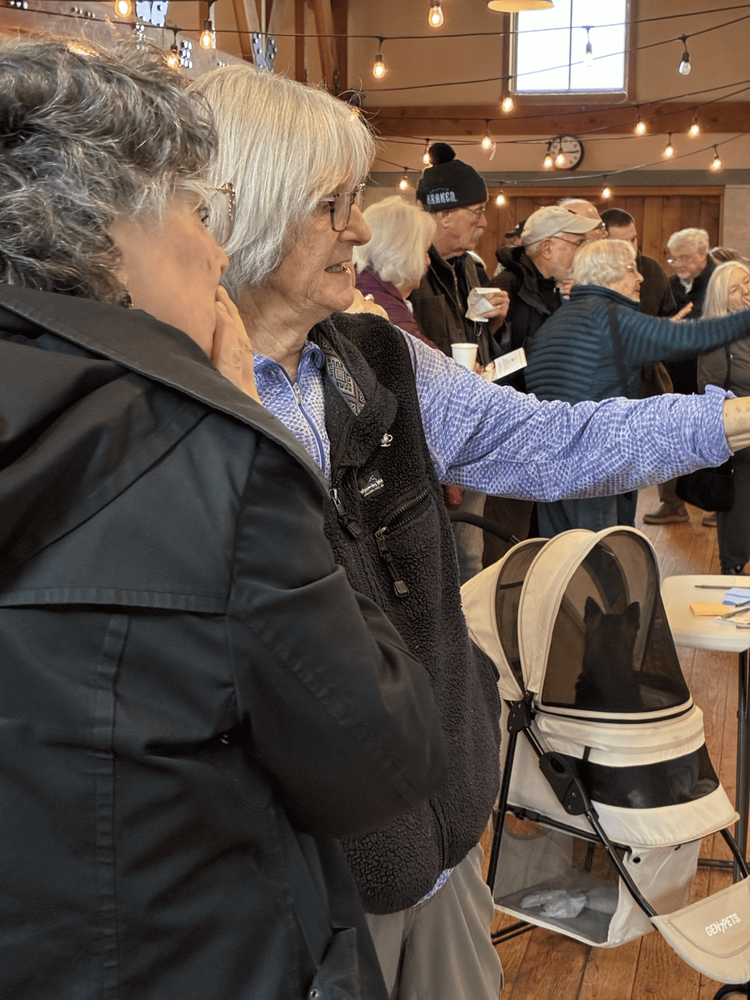
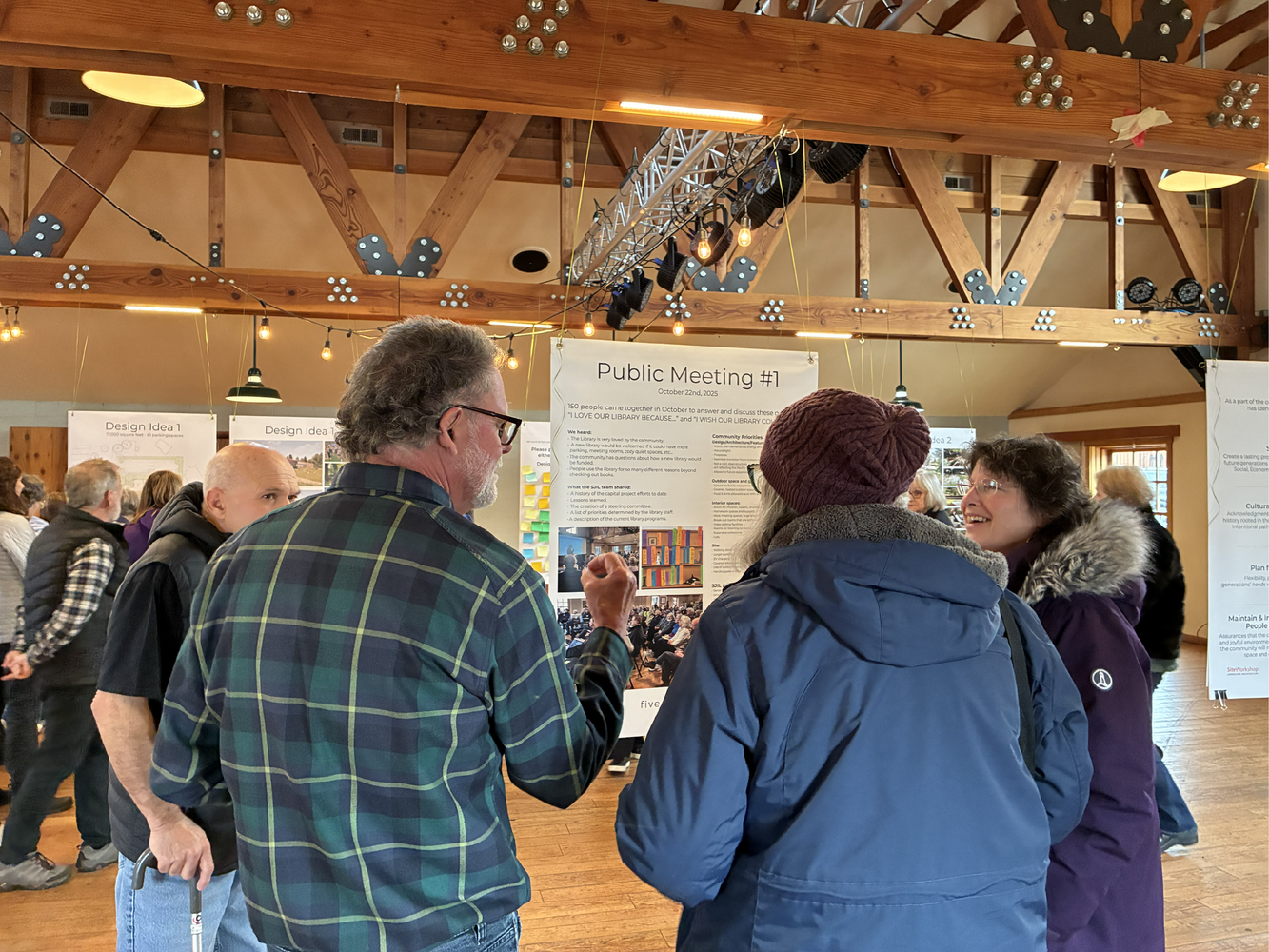
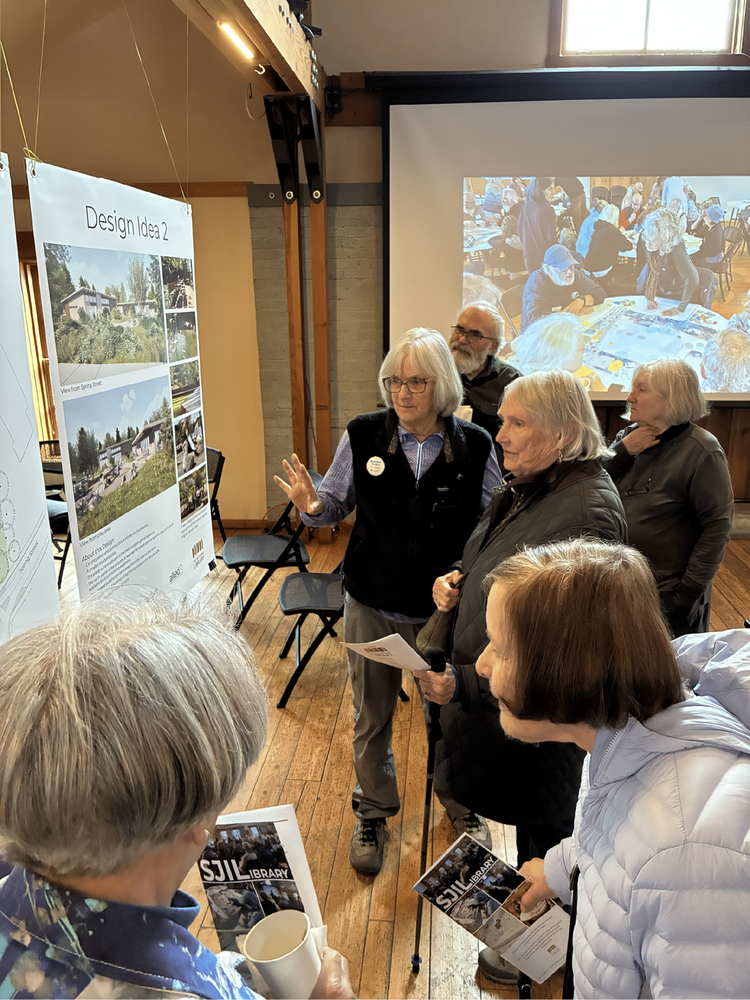
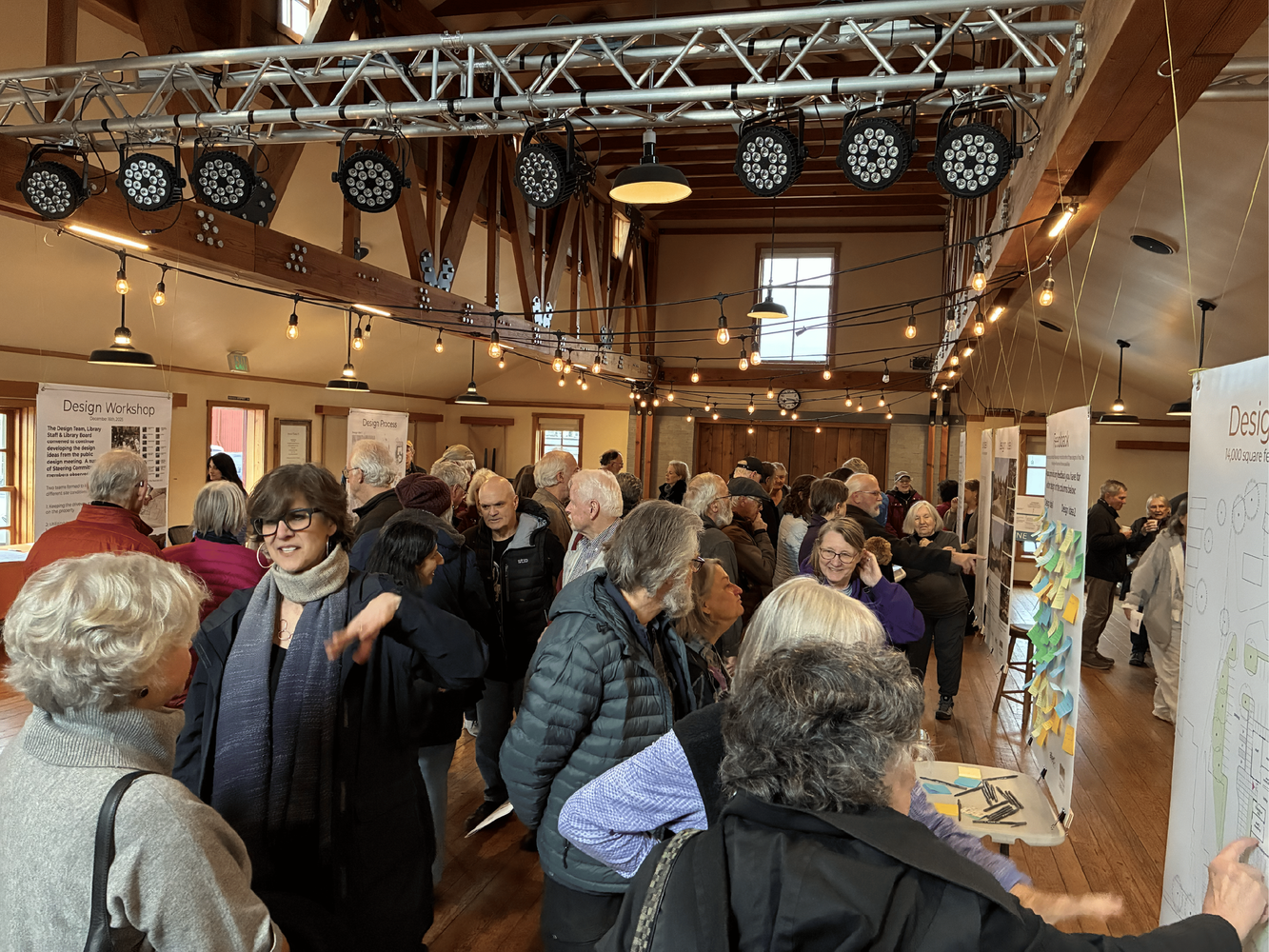
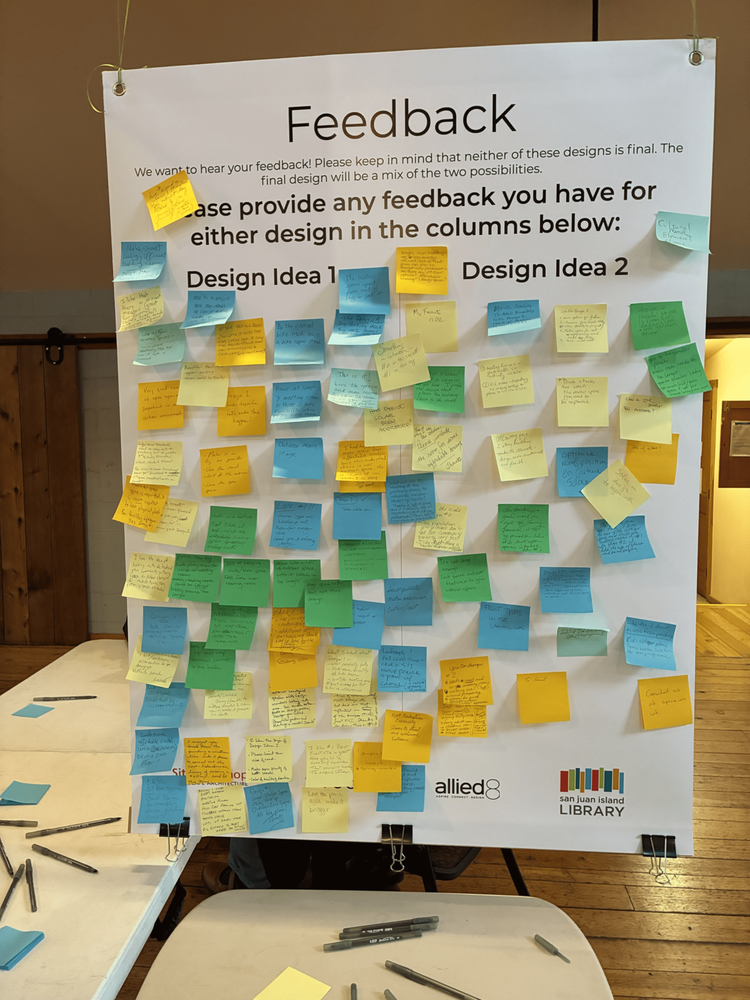
We presented the designs in an open house format, a short 4 months after our first community meeting. The open house included summary information from each meeting and it was possible to see the progress from community input to design ideas. The library staff, board and steering committee were all engaged in explaining the process and the design to visitors. We asked for specific feedback on the designs and shared next steps for the project. Over 200 people attended the open house throughout the day and there was a lot of very positive feedback for the library. People enjoyed seeing the designs, had the opportunity to provide substantive feedback and got excited about the potential for the new library.
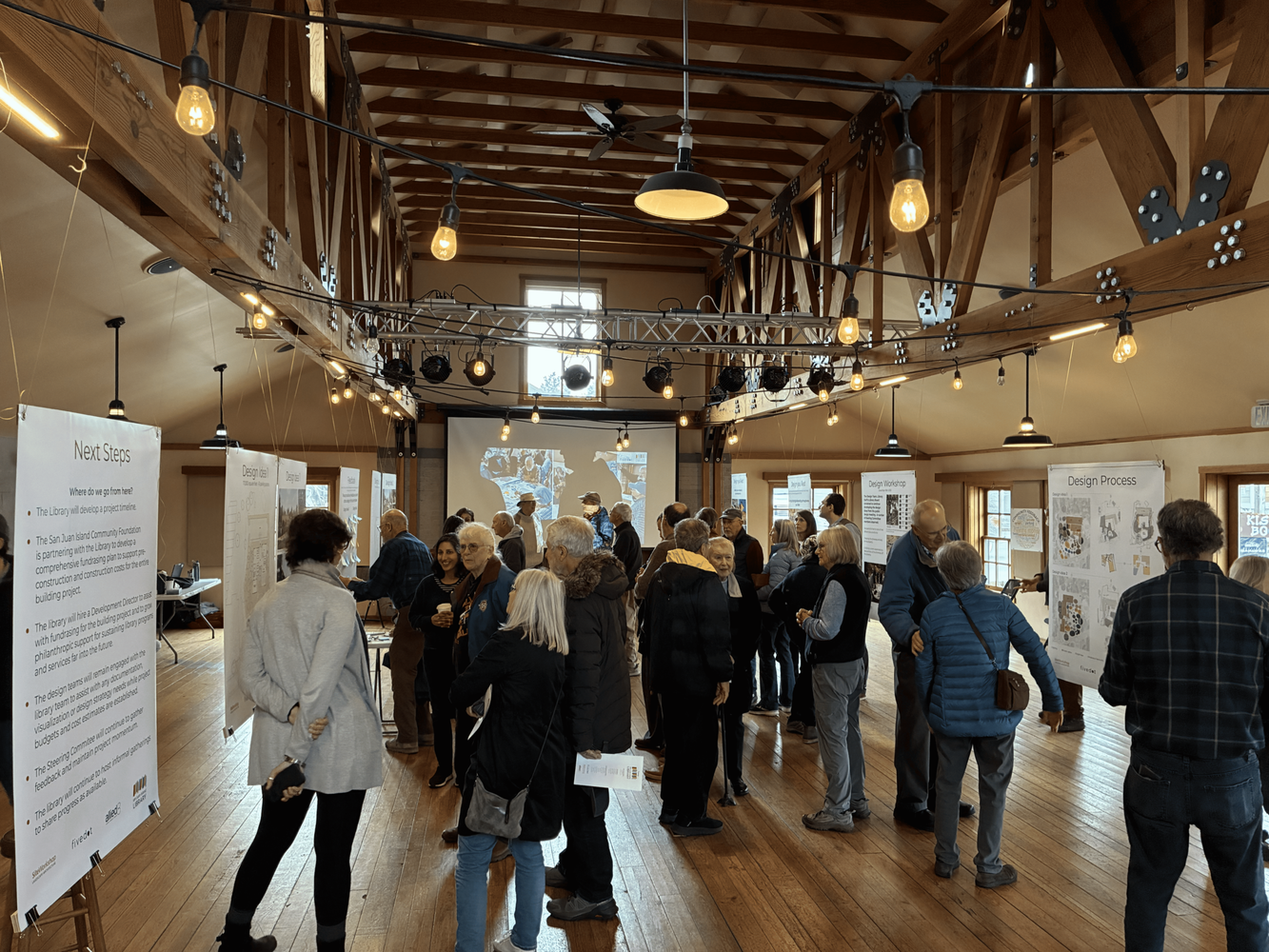
Community Engagement is such an important part of the design of a civic building. We know that research, listening, and collaboration is all required before the formal design of the building starts. Community support is essential for the project and is a major factor in determining the success of a fundraising campaign. We give great credit to San Juan Island Library staff, board and steering committee. Their commitment and enthusiasm for this project are incredible, and it was their efforts that led to a very successful first step in community engagement. They will stay engaged throughout the project and are already working on developing plans for fundraising and additional activities. We will remain engaged with their team to support them in fundraising efforts communications.
We are truly honored to be part of this project and deeply grateful for the community’s remarkable involvement and enthusiasm in shaping their new library. We hope to surpass their expectations and create a library that will serve the community for generations to come.
Check out the SJIL Building Project page here.